A student-led initiative to spotlight India's underrated UNESCO Sites
Click on any image above to learn more about these hidden gems of India.
As part of the “Eureka! Junior ©” entrepreneurship challenge by IIT-Mumbai, our team was tasked with building awareness around India's underrated UNESCO World Heritage Sites. We chose to design a digital experience that makes learning about these hidden gems visual, simple, and inspiring.
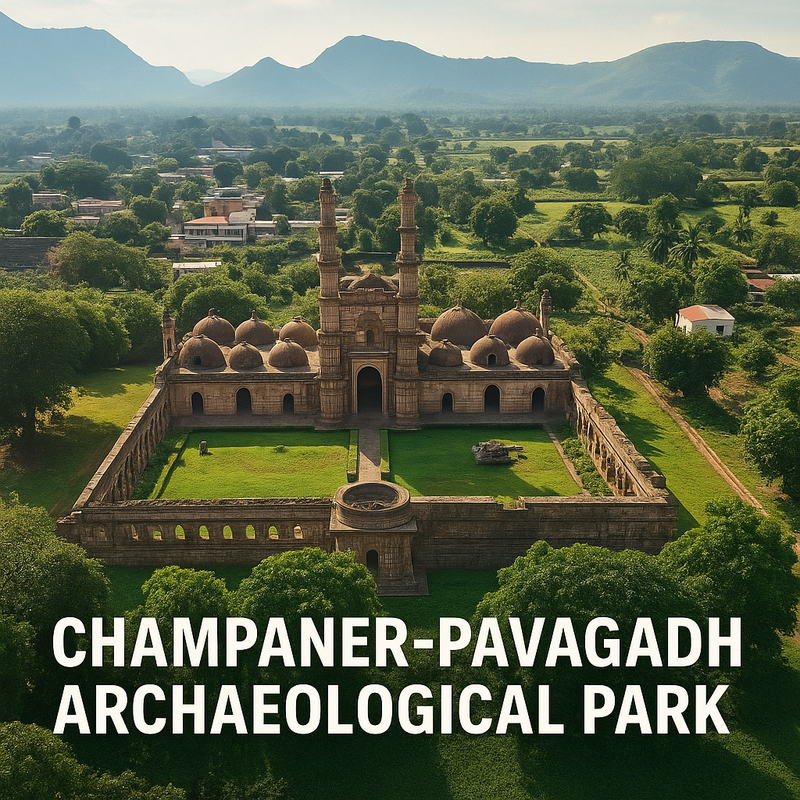
● Explore ancient forts, palaces, and stepwells from multiple centuries
● See a blend of Hindu and Islamic architecture in one place
● Visit the Kalika Mata temple on a dramatic hilltop
● Walk through Gujarat's only complete pre-Mughal city
● Perfect for history lovers and quiet explorers
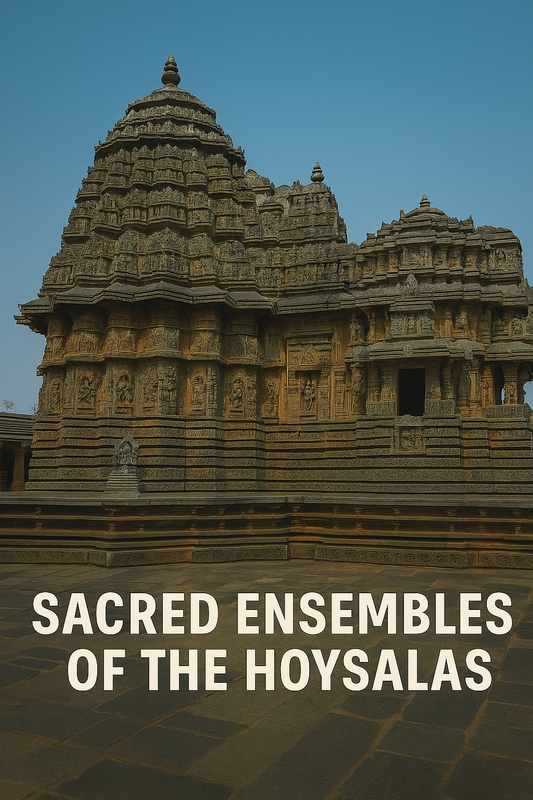
● Marvel at detailed temple carvings that look like lace in stone
● Learn stories of gods, dancers, and epic battles through sculptures
● Visit the lesser-known towns of Belur, Halebidu, and Somnathpur
● Peaceful, spiritual atmosphere with no heavy crowds
● A showcase of Indian temple art at its finest
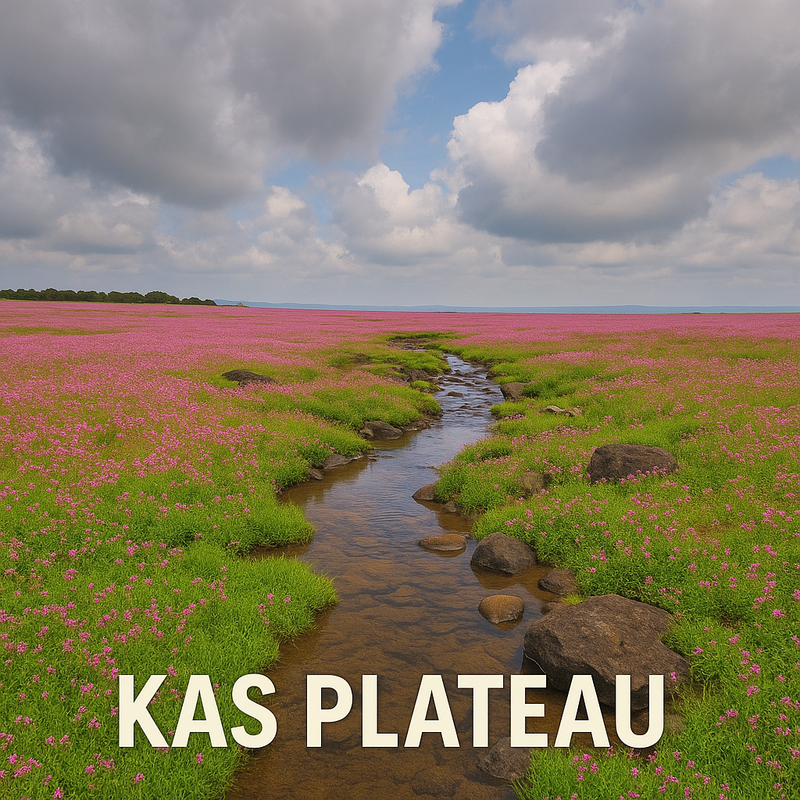
● Witness over 850 species of wildflowers bloom in just a few weeks
● Walk across a colorful natural carpet in the Western Ghats
● Best visited after the monsoon for peak beauty
● A biodiversity hotspot filled with butterflies and bees
● Rare and magical — like nature's festival
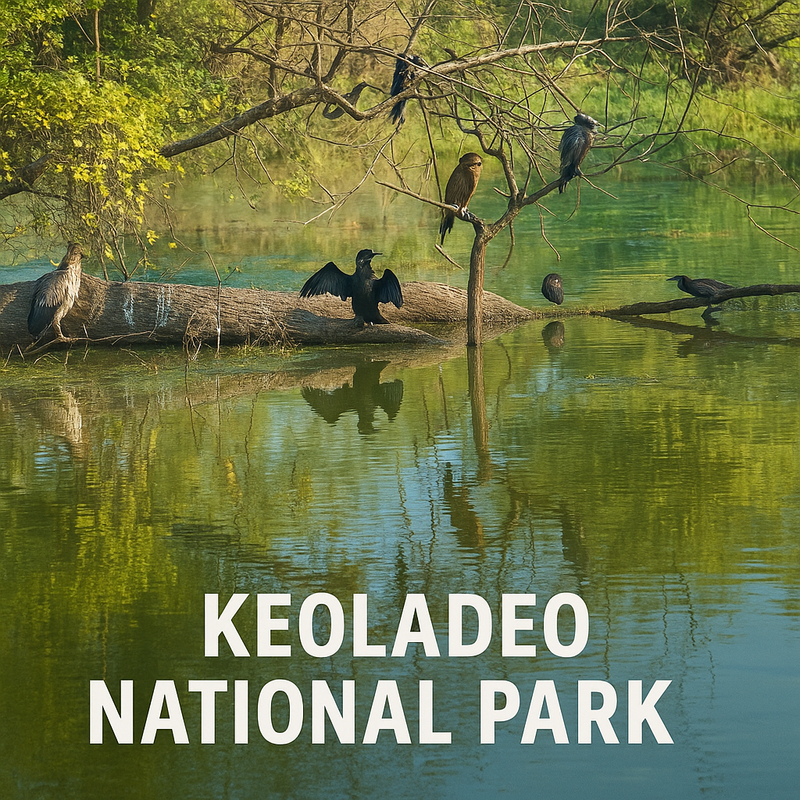
● Spot over 370 bird species in a single visit
● Ride a cycle or rickshaw through peaceful wetland trails
● Great for birdwatchers and families alike
● Visit in winter to see migratory birds from as far as Siberia
● Once a hunting ground, now a global bird sanctuary
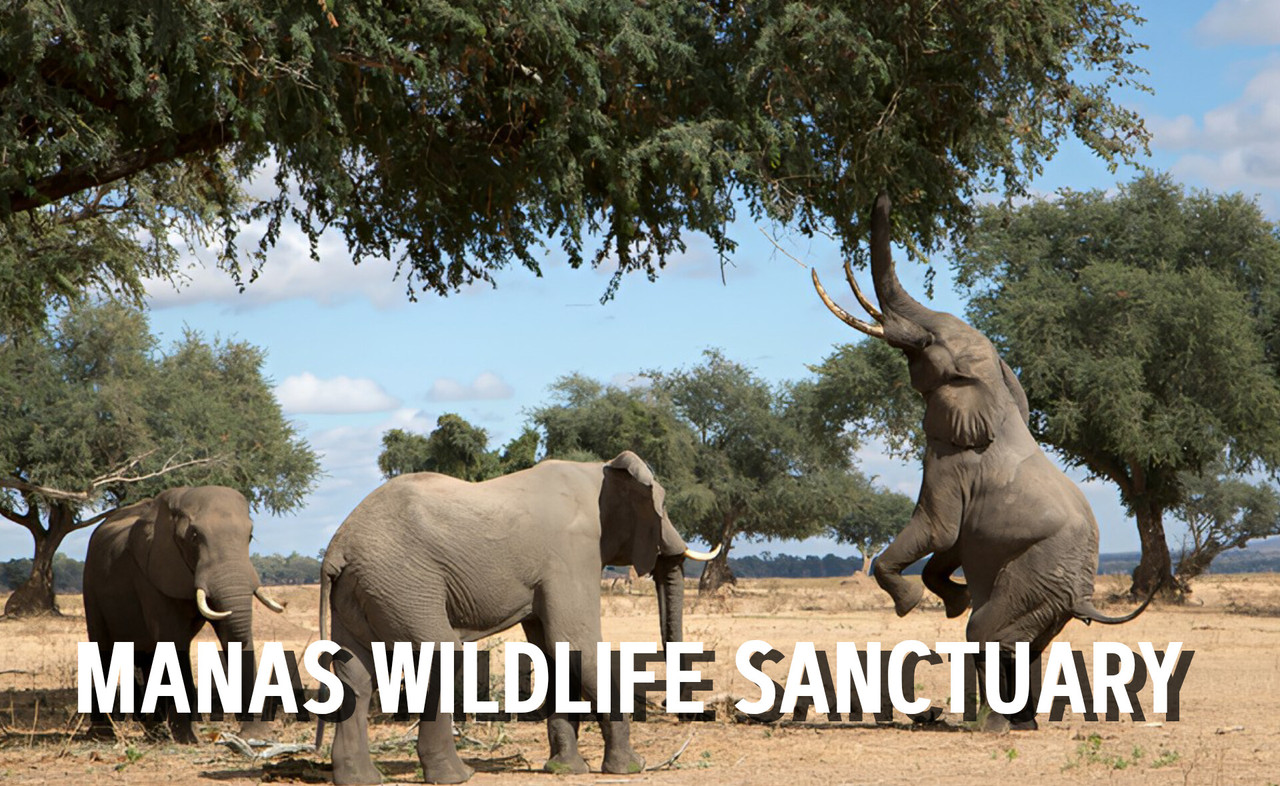
● Explore one of India's most untouched tiger reserves
● Spot elephants, golden langurs, and even rhinos
● Experience raw nature with fewer tourists
● Ride through riverine grasslands and dense jungle
● A true adventure in Assam's wilderness
UNESCO stands for the United Nations Educational, Scientific and Cultural Organization, founded in 1945 after World War II. Its purpose is to build peace and understanding through international cooperation in education, science, and culture.
UNESCO believes that protecting cultural and natural heritage is essential for the identity and progress of all people. In 1972, UNESCO adopted the World Heritage Convention, a global agreement to identify, protect, and preserve cultural and natural sites of exceptional value to humanity.
A World Heritage Site is a landmark or area officially recognized by UNESCO for its cultural, historical, scientific, or natural significance. These sites are considered important for all humanity — not just for the country they are in — and are protected under international treaties.
● Representing a masterpiece of human creativity
● Bearing exceptional testimony to a cultural tradition
● Containing outstanding natural phenomena
● Being habitats for rare and endangered species
There are over 1,200 World Heritage Sites across the globe — from the Pyramids of Egypt to the Amazon Rainforest, from Stonehenge to the Great Wall of China. India and UNESCO: A Deep Connection India signed the World Heritage Convention in 1977 and has been an active member ever since. The country is one of the richest in terms of both cultural and natural heritage.
● 34 Cultural sites
● 7 Natural sites
● 1 Mixed site (Khangchendzonga National Park)
India's sites range from ancient ruins, historic temples, palaces, and forts to national parks, wildlife sanctuaries, and ecosystems with rare biodiversity. Some of these, like the Taj Mahal and Red Fort, are global icons. But many others remain underrated — hidden away in remote places, lesser-known even within India.
● Location: Sites in faraway or difficult-to-access regions don't get as many visitors.
● Lack of Promotion: Some sites are not actively promoted by state tourism boards or travel companies.
● Competition: Famous sites draw tourists away from lesser-known ones, even if they are just as important.
● Conservation Challenges: Underrated sites may face issues like poor maintenance, lack of signage, or weak infrastructure.
● Public Awareness: Many people simply don't know these places exist or don't understand their significance.
UNESCO uses ten criteria to evaluate nominations for World Heritage Sites. A site must meet at least one. The criteria fall into two main groups:
●1. Masterpiece of human creative genius
●2. Important cultural interchange
●3. Unique testimony to a cultural tradition
●4. Outstanding example of architecture or landscape
●5. Traditional human settlement or land use
●6. Association with important events, people, or beliefs
●7. Natural beauty and aesthetic importance
●8. Major stages of Earth's history
●9. Ongoing ecological and biological processes
●10. Habitats for biodiversity and endangered species
Once a site is listed, it becomes part of the “common heritage of mankind”, meaning it is globally significant.
● It gains international recognition
● It becomes eligible for funding and technical support from UNESCO
● It is included in global heritage and tourism maps
● It comes under stricter conservation regulations
● Governments are required to protect and preserve it
However, UNESCO also warns countries when their sites are at risk. Sites that are neglected or harmed can be added to the “World Heritage in Danger” list — and in rare cases, sites can even be delisted.
● Human creativity, identity, and belief systems
● Ecological balance and nature's wonders
● Architectural innovations and ancient technologies
● The stories of forgotten civilizations and kingdoms
Visiting, learning about, and supporting these places helps preserve global heritage and local communities. Heritage is not just about buildings — it's about memory, culture, and meaning.
● Authenticity – no commercial crowds, no tourist traps
● Intimacy – quiet exploration and personal reflection
● Sustainability – lower tourism pressure on fragile ecosystems
● Surprise – the joy of discovering something new
These hidden gems often leave a deeper impact on visitors, because they feel unfiltered and raw. Whether it's a 1,000-year-old temple carved from volcanic stone or a plateau bursting with wildflowers once a year, these places offer a glimpse into worlds we've forgotten.
● Emergency conservation in war zones and natural disaster areas
● Training programs for archaeologists and conservators
● Cultural education in schools and local communities
● Support for indigenous knowledge and practices
● Legal frameworks for protection of sites under threat
● Restoration of ancient ruins
● Conservation of wildlife corridors
● Documentation of oral traditions and intangible culture
● Workshops for training local guides and heritage workers
● Urban encroachment and illegal construction
● Lack of maintenance funds
● Absence of trained heritage staff
● Neglect from locals and visitors
● Climate change and natural disasters
● The Government of India
● Archaeological Survey of India (ASI)
● State governments
● Local communities
● NGOs and travelers
● Read and learn about lesser-known sites
● Share what you discover with friends or on social media
● Travel responsibly and respectfully
● Support eco-tourism and community-led projects
● Volunteer or contribute to local conservation groups